
YouTube
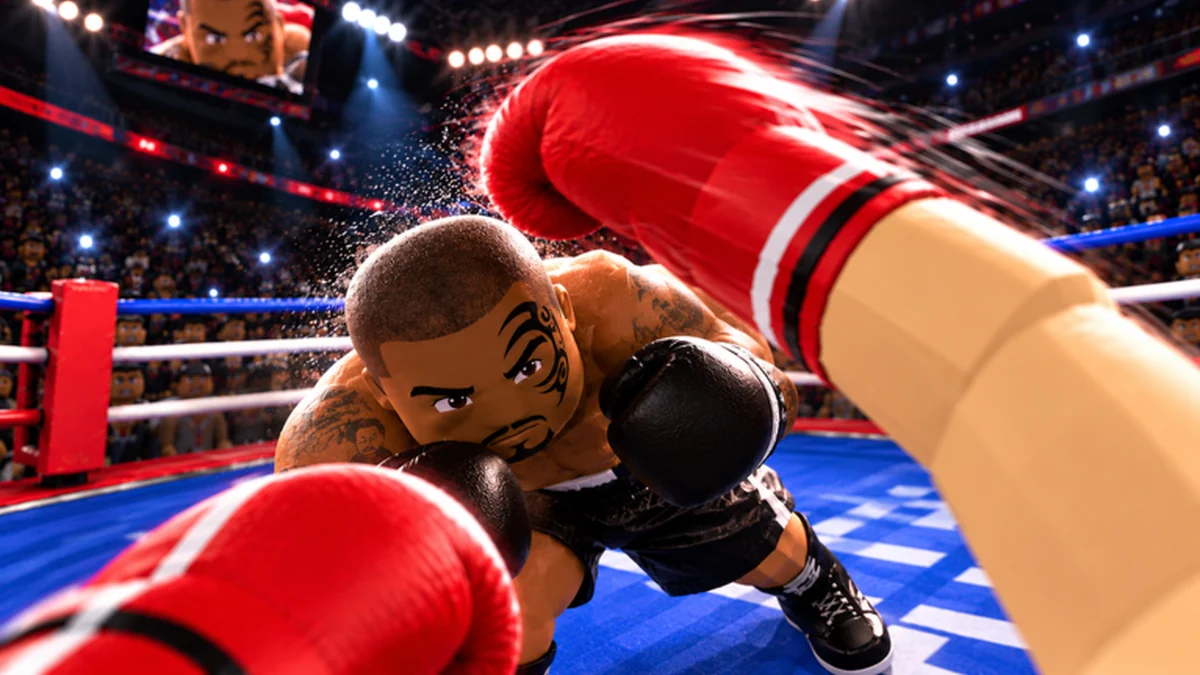
Ring decisions
First Person Boxing Movement: Position and Slips
Use First Person Boxing movement for a purpose you can explain. Positioning prepares a useful next exchange, slipping responds to an incoming punch, and slip timing chooses the response moment. Keep the first-person view on the opponent and let the movement support defense or a return rather than become constant activity around the fight.
Choose a useful ring positionSupport the next defensive read or attacking opportunity.
Choose the decision to work on
Follow the question that matches the next exchange or session you want to improve.
All movement guides
Use the full set of completed articles for the narrower action, comparison or correction you need. Each destination keeps its own player question and follow-up reading.
Selected answers
Start with these completed guides when the question matches your current goal.
Movement
Choose position from the next defensive or attacking decision you need to make.
Open article
Slip Punches
Connect the incoming read, slip and next decision instead of moving automatically.
Open article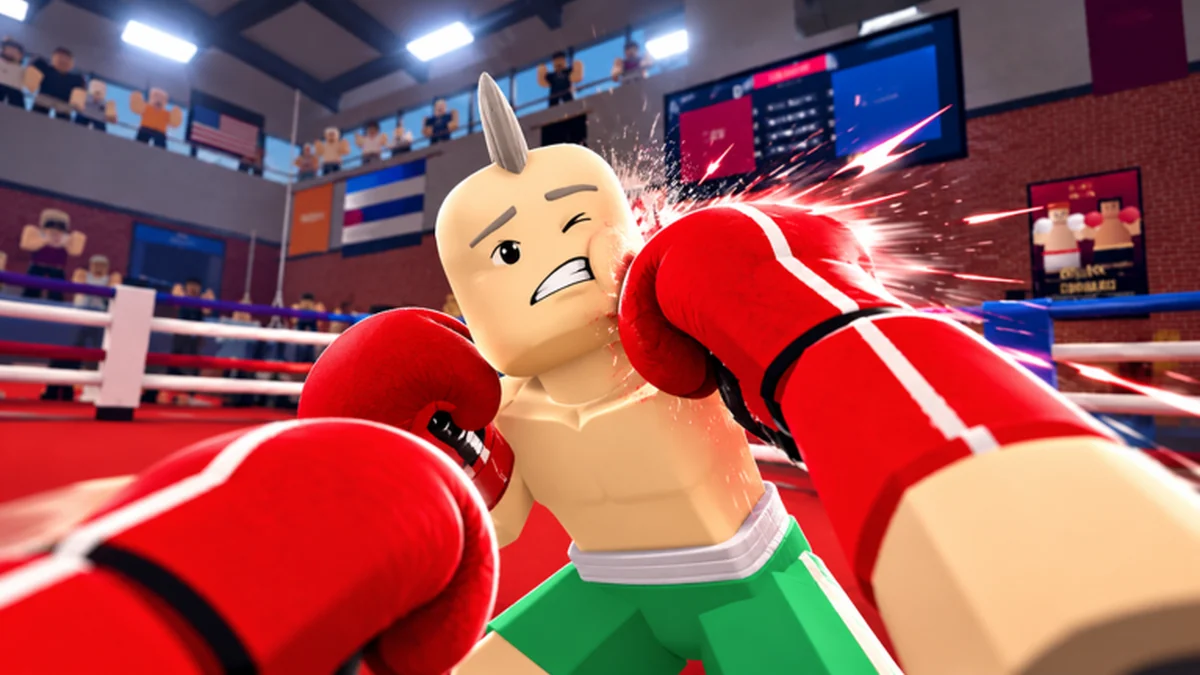
Slip Timing
Choose the slip from the approaching punch rather than a repeated movement rhythm.
Open articleMovement questions to answer
The movement article concentrates on where you want to be for the next action. Choose a position that lets you read the threatened target or consider a manageable return. A smaller, deliberate adjustment can be more useful than a busy pattern that repeatedly loses the opponent from view.
Slip punches connects the incoming read, movement and follow-up choice. Slip timing keeps the approaching attack as the cue instead of a repeated rhythm. The developer advertises slips and counters together, but the attacking return remains a separate commitment from an opening you can still use.
Keep fatigue part of the positioning decision. Getting tired slows the boxer down, so a familiar movement plan can become uncomfortable during an exhausting exchange. Simplify what you attempt, preserve a readable target and choose a shorter return. Use the guide that addresses position, the slip action or its timing rather than assume all movement problems are the same.
Questions about movement
Is every position change a slip?
Keep the purposes distinct. A position change can prepare the next exchange; a slip is chosen in response to an incoming punch.
MovementShould a slip always lead to a counter?
Reassess the opponent after moving. Counter from a useful opening, and keep a clearer position when the attacking opportunity is unattractive.
Slip PunchesWhat if movement becomes confusing?
Simplify the exchange, keep the opponent readable and choose a position for one clear action before adding repeated attacks.
Movement
Choose a useful ring position
Take the answer into a focused next session. Keep one clear aim before combining more actions under pressure.