
YouTube
Ring decisions
First Person Boxing Defense: Head and Body Guards
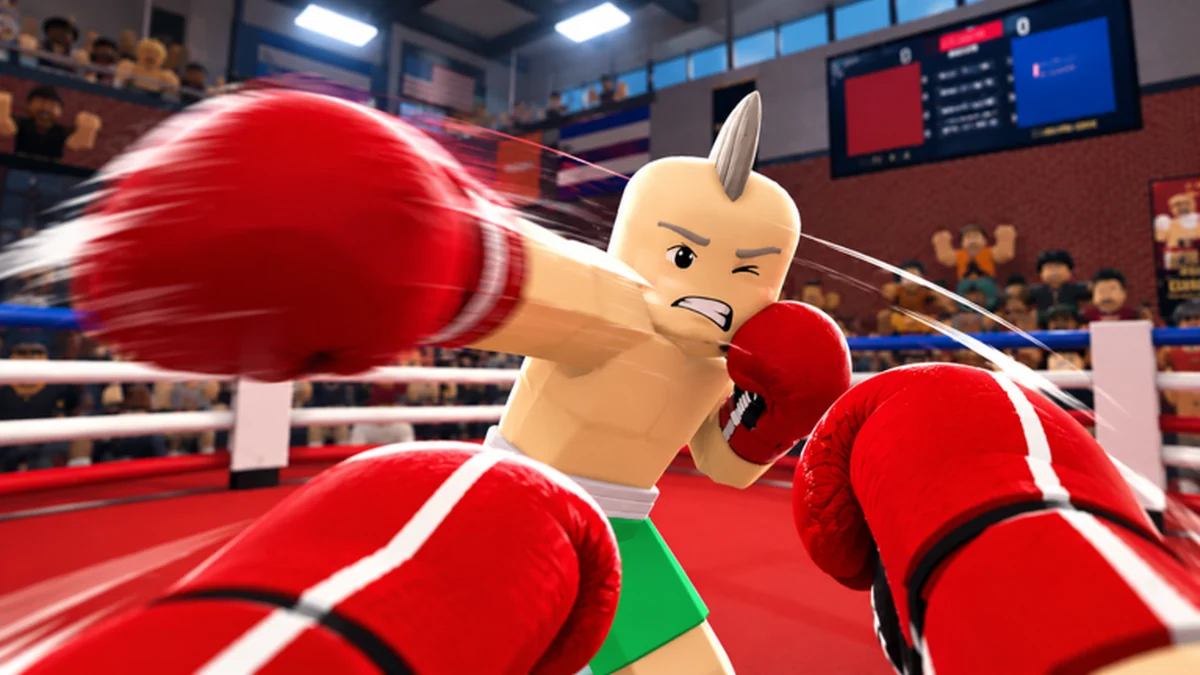
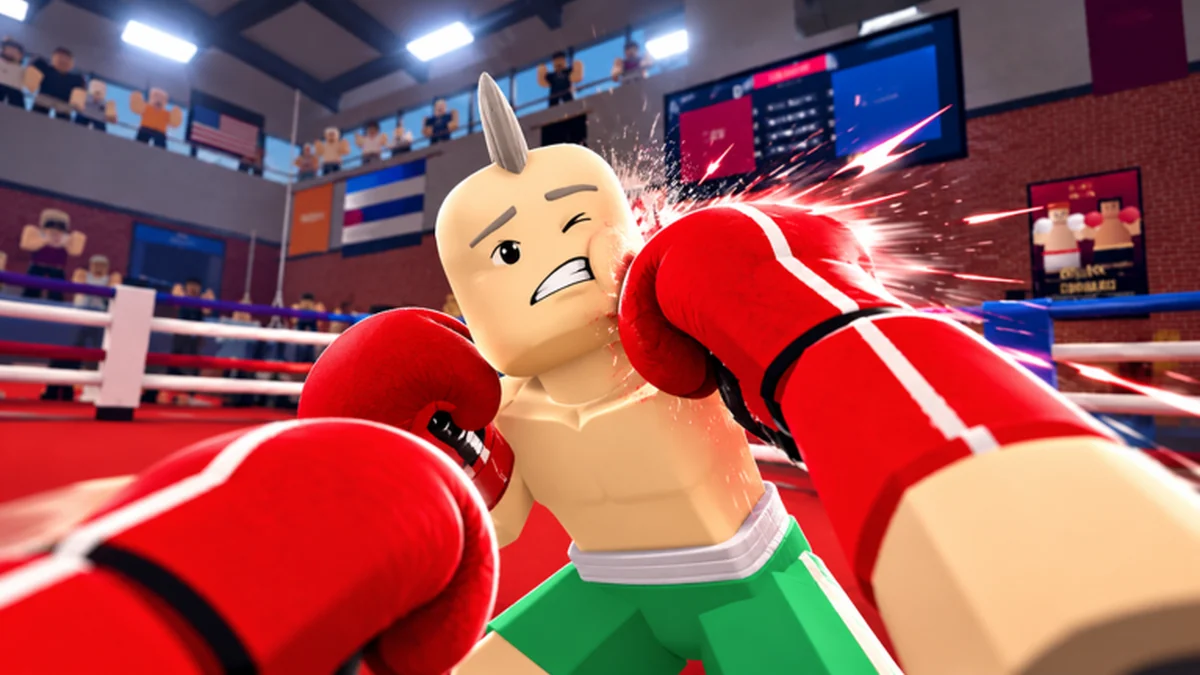
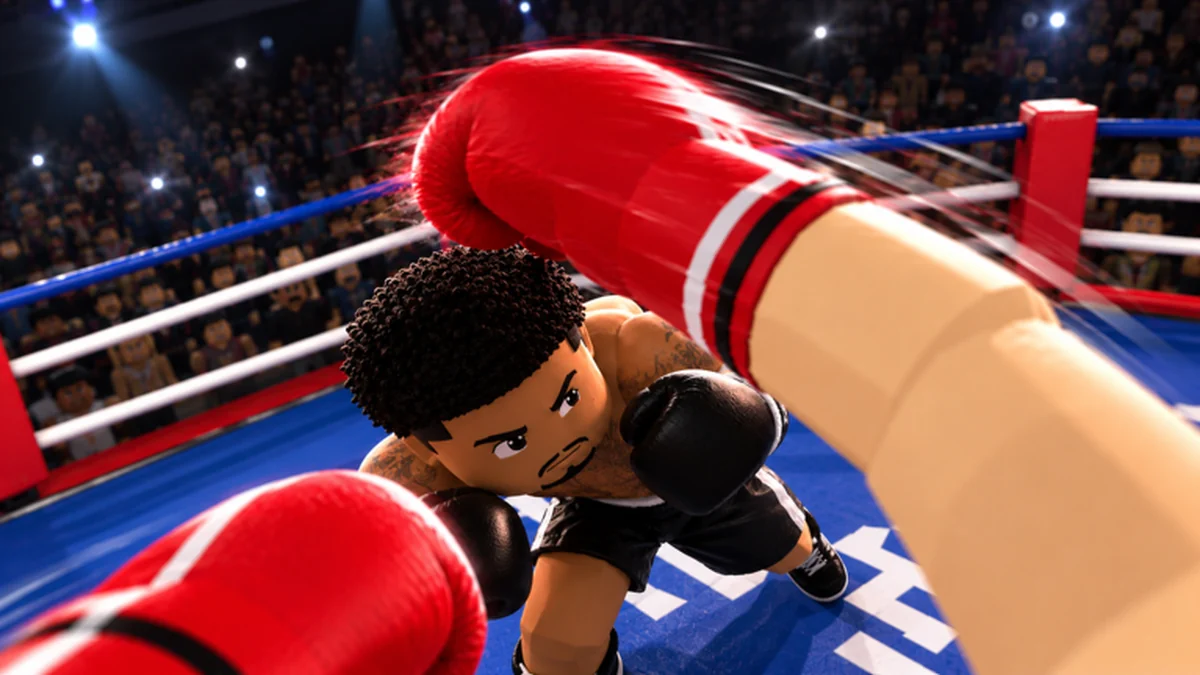
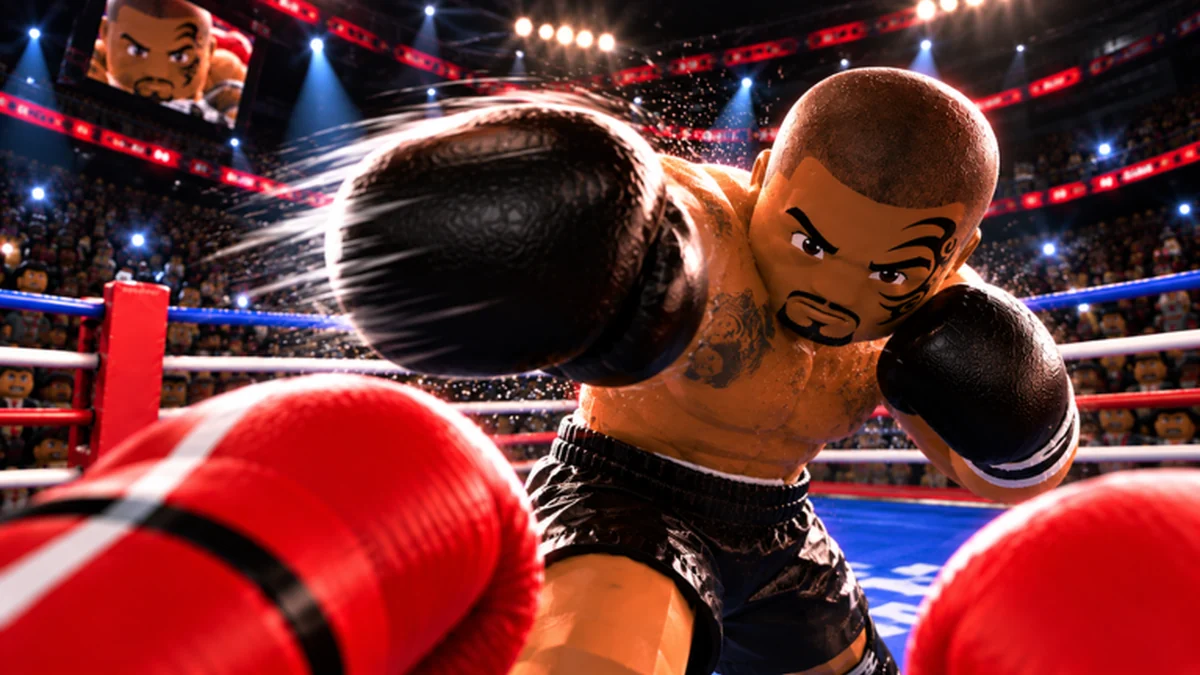
First Person Boxing defense begins with the area being threatened. Use the head and body guides for a focused protective purpose, then connect them through the guards overview. A familiar defensive response still needs to fit the incoming punch; keep reading the opponent when the target or rhythm changes during an exchange.
Connect the two protective targetsChoose the purpose that fits the incoming punch.
Choose the decision to work on
Follow the question that matches the next exchange or session you want to improve.
All defense guides
Use the full set of completed articles for the narrower action, comparison or correction you need. Each destination keeps its own player question and follow-up reading.
Selected answers
Start with these completed guides when the question matches your current goal.
Defense questions to answer
The developer describes different guards for protecting the head and body. Head guard focuses on recognizing an upper threat, while body guard focuses on the lower target that a head-centered habit can overlook. The guards article connects those purposes with a follow-up choice after the defensive response.
Keep the target read and the attacking return as two decisions. A useful guard does not require a long counter sequence every time. Consider the opening that remains, the position from which you can read it and the fatigue that can make the next response uncomfortable. Getting tired slows the boxer down, so defense benefits from a pace you can manage.
Choose the correction that describes the difficult exchange. If you protected the wrong area, use the focused target guide. If the guard choice was sensible but the return became exhausting, continue with stamina management or counter timing. If the opponent disappeared from view, movement is a separate useful lesson.
Questions about defense
Can one guard answer every punch?
The developer advertises different guards for head and body protection. Choose the protective purpose for the target in danger rather than repeat one response throughout the fight.
GuardsWhich target should I practice?
Choose the threatened area you keep overlooking. A focused head or body read is more useful than changing both responses without recognizing why either belongs.
Body GuardWhat comes after a useful defensive response?
Reassess the opening and your ability to manage the return. Counter when it serves the exchange, or keep a clearer position when the opportunity is uncomfortable.
Guards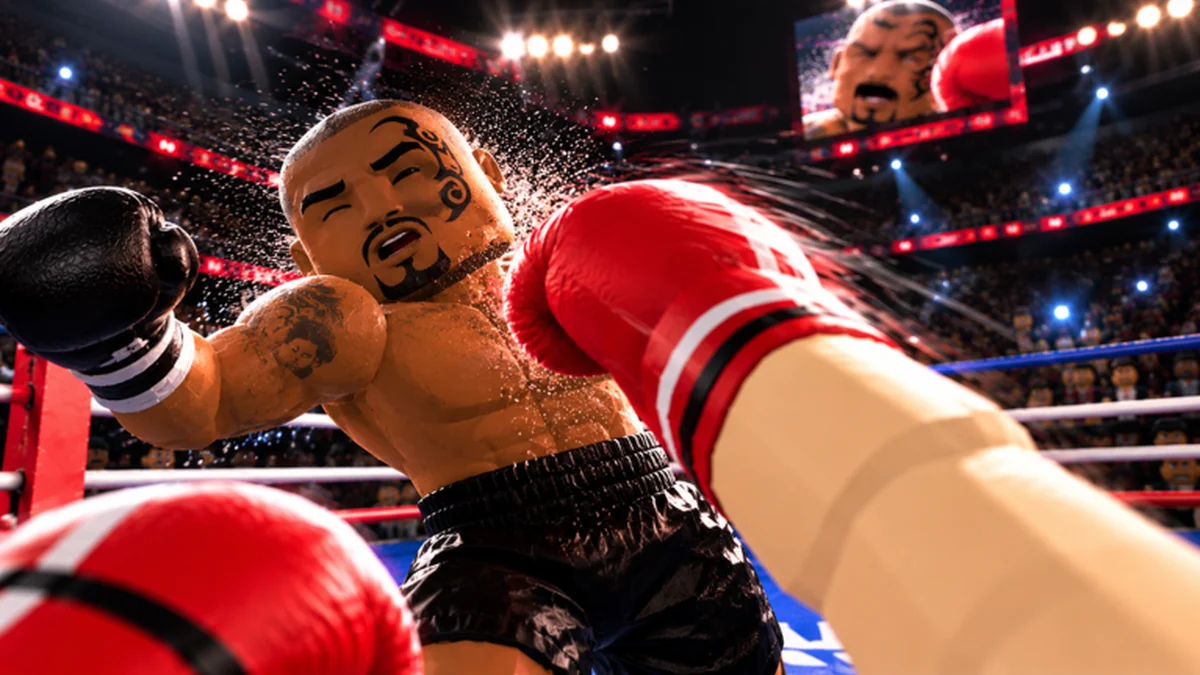
Connect the two protective targets
Take the answer into a focused next session. Keep one clear aim before combining more actions under pressure.