
YouTube
Ring decisions
First Person Boxing Combat: Punches and Counters
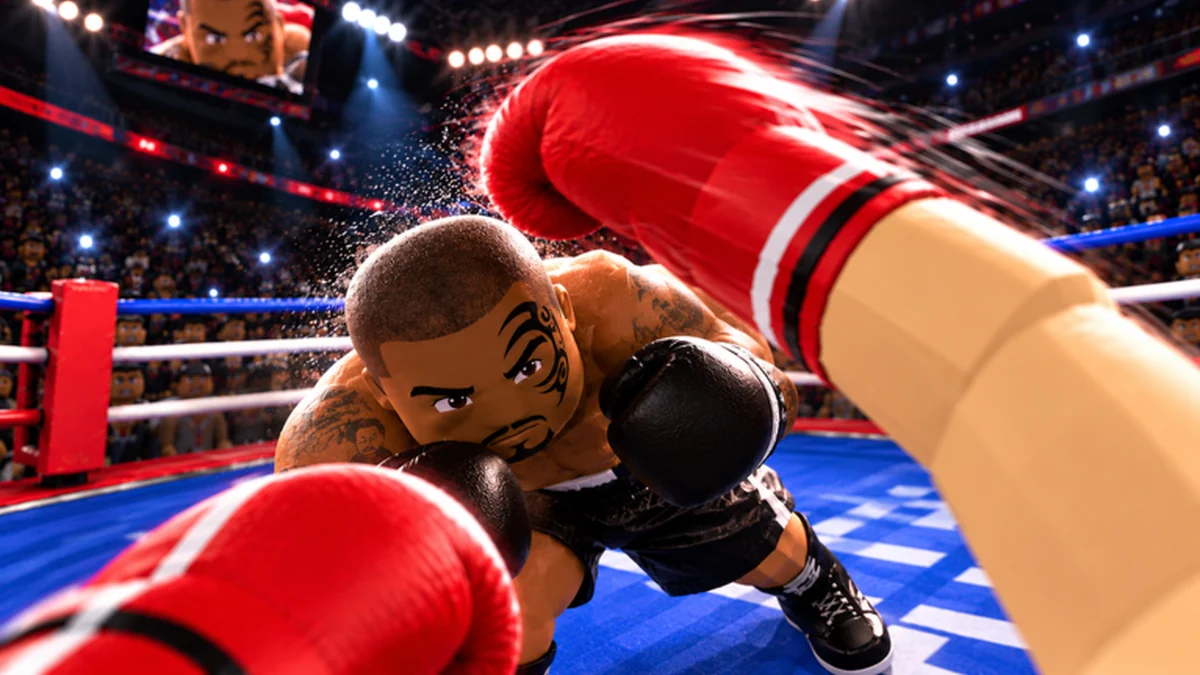
The First Person Boxing combat guides keep each attacking question separate. Learn why a punch belongs in an exchange, when to commit the return and how an opening connects with position and tiredness. Use the knockdown and knockout articles for the turning point or finishing goal, rather than treat every fight as repeated attacking activity.
Give the attack a purposeConnect the punch with an opportunity and the next defensive read.
Choose the decision to work on
Follow the question that matches the next exchange or session you want to improve.
All combat guides
Use the full set of completed articles for the narrower action, comparison or correction you need. Each destination keeps its own player question and follow-up reading.
Guide
Counter Timing
Separate recognizing an opening from committing to the attacking return.
Guide
Counters
Choose a counter from the opening you have, while staying ready for what follows.
Guide
Find Openings
Decide whether the opportunity in front of you is worth an attacking commitment.
Guide
Knockdowns
Read the exchange behind a knockdown and choose the decision to improve next.
Guide
Knockouts
Connect the knockout goal with counters, defense and a manageable attacking plan.
Guide
Punch Timing
Choose when to attack from the exchange rather than from a fixed pressing rhythm.
Guide
Punches
Make each attacking commitment serve an opening instead of repeated activity.
Selected answers
Start with these completed guides when the question matches your current goal.
Combat questions to answer
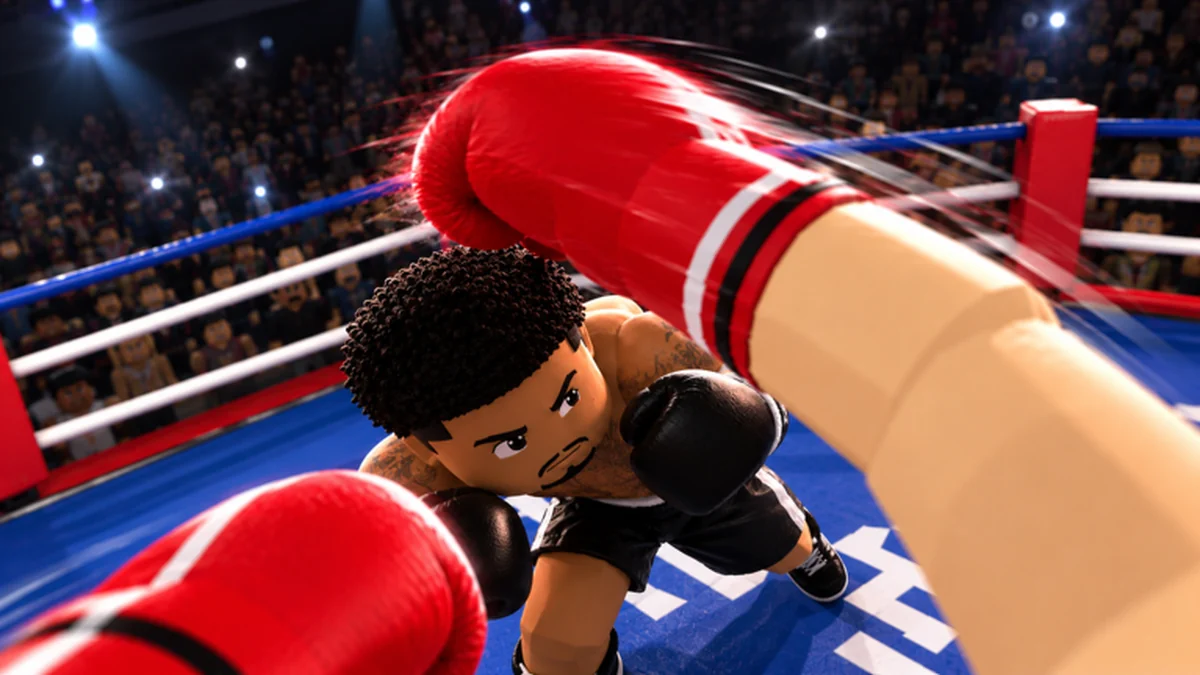
Punches introduces a purposeful attacking commitment, while punch timing chooses the moment. Counters connects a defensive read with a return, while counter timing concentrates on the attacking decision after the threat. Those pairs let you choose the answer that fits the actual problem instead of make a familiar sequence the solution to every opponent.
Find openings evaluates the opportunity through the opponent’s action, a readable position and tiredness. The developer advertises counters as a route toward knockouts and says that getting tired slows the boxer down. Keep those established relationships attached to the decision, without assuming a fixed hit count, damage multiplier or stamina formula.
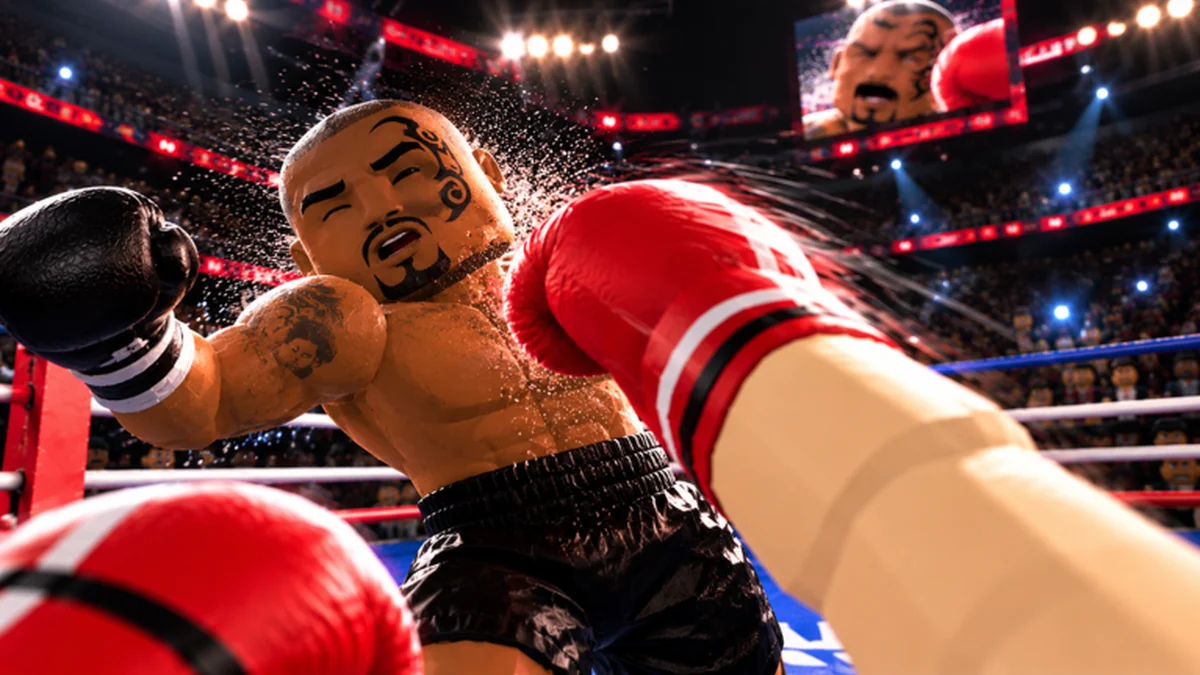
A knockdown is also a useful review moment. Look at the target you protected, the position you chose and the return you forced before the impact. The finishing goal and the review task belong to different articles. Choose the next lesson from the exchange you want to improve, then bring that correction into practice.
Questions about combat
Are counters automatic after defense?
Choose a counter from a useful remaining opening. A guard or slip does not require a long return every time, and position or tiredness can make another choice more sensible.
CountersWhy separate punch timing from counter timing?
Punch timing addresses an attacking moment generally. Counter timing connects that commitment with the preceding incoming threat and defensive response.
Punch TimingWhat should I review after a knockout?
Look at the earlier decision that changed the exchange: a wrong target, unclear position or exhausting return. Keep the correction specific rather than change the whole plan.
Knockouts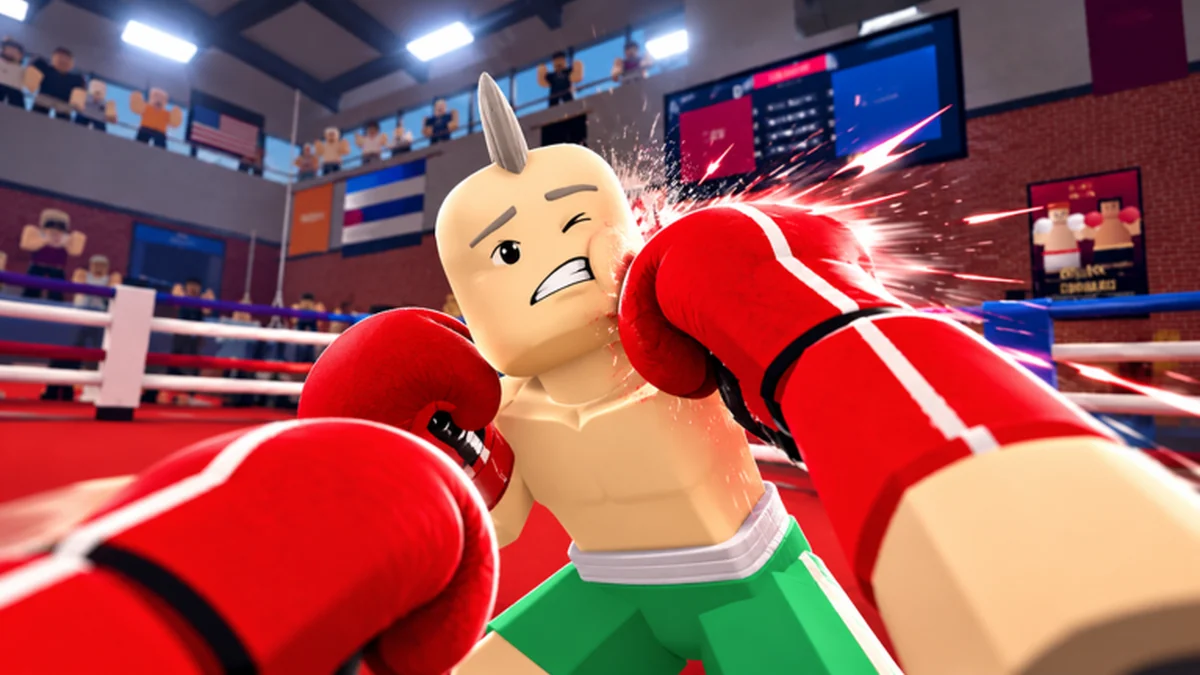
Give the attack a purpose
Take the answer into a focused next session. Keep one clear aim before combining more actions under pressure.